
🧠 Why Sensory Tools Aren’t Just Toys—They’re Lifelines
- WeBe Sensory

- Jun 30, 2025
- 2 min read
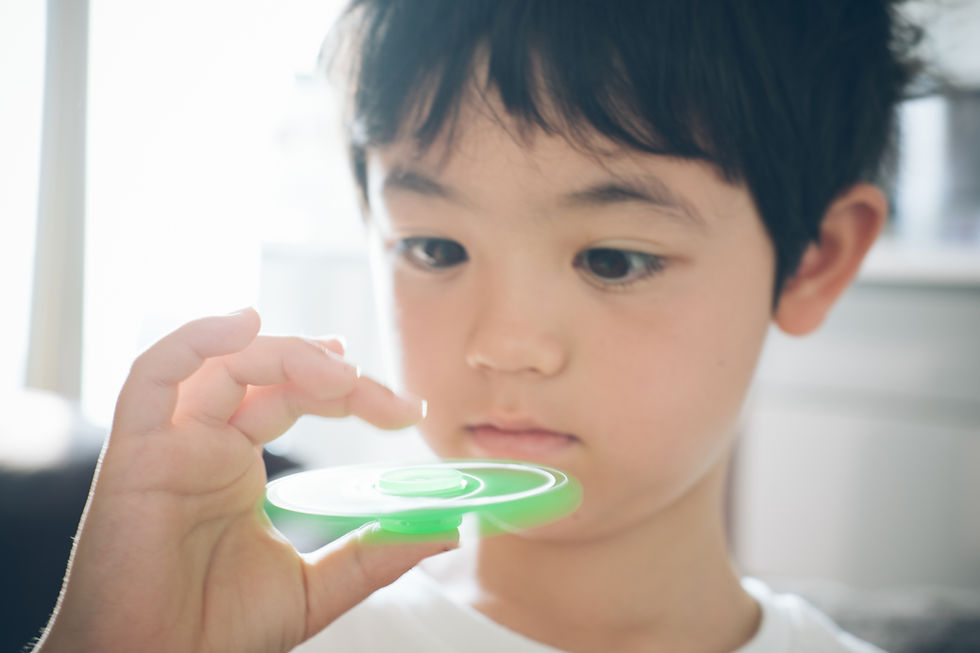
In a world full of noise, pressure, and constant movement, sensory tools offer calm, focus, and connection—especially for neurodivergent individuals. While they may look like toys on the surface, these tools are essential supports for regulation, self-expression, and emotional well-being.
At WeBe Sensory, we believe that sensory needs deserve respect, not restriction. That’s why we fill every WeBe Wonderbox™ with tools that are not only fun, but functional. Let’s dive into what makes sensory tools so powerful—and why they belong in more hands, classrooms, and homes.
🌈 What Are Sensory Tools?
Sensory tools are objects or devices designed to stimulate or soothe one or more of the five senses. Some help calm the nervous system (like weighted blankets or chewable necklaces), while others help release energy or encourage focus (like fidget spinners or resistance bands).
They may be:
Tactile (things you touch or squeeze)
Visual (things that move, light up, or sparkle)
Auditory (things that make repetitive or soothing sounds)
Oral motor (safe items to chew or mouth)
Proprioceptive (help with body awareness, like compression gear or heavy work tools)
💡 Who Benefits from Sensory Tools?
Everyone has sensory needs, but for neurodivergent people, including those with Autism, ADHD, sensory processing disorder, anxiety, PTSD, and more, these tools can be the difference between shutdown and success.
Sensory tools help:
🌀 Reduce overwhelm during overstimulation
🔊 Provide safe, quiet stimming opportunities
🧘♀️ Encourage self-regulation and mindfulness
🧠 Improve attention and executive function
💬 Support communication and emotional expression
✋ Offer grounding in moments of anxiety or panic
🧸 Sensory Tools at Home, School & Work
Whether you're a caregiver, teacher, or neurodivergent adult, sensory tools can create a more accessible and compassionate environment. They’re not distractions—they’re accommodations.
At Home:
A fidget cube at the dinner table
A chew necklace for transitions
Weighted lap pads for screen time or storytime
In the Classroom:
Fidget bins for quiet focus
Noise-dampening ear muffs during assemblies
Calm-down corners with visual aids
At Work or On-the-Go:
Pocket fidgets during meetings
Stim-friendly jewelry
Breathing cards or roll-on essential oils in your bag
💬 “A Tool, Not a Toy”
One of the most important messages we share at WeBe Sensory is this: sensory tools are not just toys. They are regulation tools, coping strategies, and sensory aids. Like glasses help you see, sensory tools help you feel better—more grounded, more in control, and more yourself.
🎁 How WeBe Wonderbox Helps
Every month, our WeBe Wonderbox™ delivers curated sensory tools to your door—tailored by age, need, and support level. Whether you're looking for a fidget starter kit or full family support, we have a plan that meets your needs with intention, inclusion, and love.
Because every brain deserves tools that help it thrive.
💖 Final Thoughts
Sensory tools are lifelines. They empower kids to learn, teens to cope, and adults to regulate. They belong in therapy offices, classrooms, backpacks, and nightstands—not tucked away or taken away.
At WeBe Sensory, we’re here to remind you: your sensory needs are valid—and so are the tools that help you meet them.
👇 Want to learn more or start your journey?
Check out our WeBe Wonderbox Subscription Plans and discover the tools made just for your brain.


Comments