
💛 Sensory-Friendly Ways to Show Love
- WeBe Sensory

- Jun 30, 2025
- 2 min read

Because love speaks many languages—including quiet ones.
Not everyone likes hugs. Not everyone feels safe with surprise parties, loud affection, or touch. For many neurodivergent individuals—including those with autism, ADHD, SPD, or anxiety—traditional displays of love can feel overwhelming rather than comforting.
But love isn’t one-size-fits-all. In fact, some of the most meaningful ways to express love are gentle, quiet, and sensory-safe.
Whether you're a parent, partner, friend, or caregiver, here are beautiful ways to say “I care” that honor sensory needs and boundaries.
🧴 1. Offer Comfort Over Contact
Instead of a hug, try:
Sitting next to them (not too close)
Offering a weighted blanket or their favorite hoodie
Bringing them a favorite snack, drink, or stim toy
Asking “Would you like company, space, or something else?”
Love can be presence—not pressure.
💬 2. Use Words Thoughtfully
For some, words of affirmation are more powerful when they’re soft, written, or delayed.
Try:
Leaving a sticky note on their mirror
Sending a voice memo or short text that says “I’m proud of you”
Using phrases like “I’m glad you’re here” or “You don’t have to earn rest”
Words don’t have to be loud to be lasting.
📦 3. Create Safe Spaces
Show love by helping build an environment where they feel regulated and safe.
Ideas:
Light a calming candle or dim the lights for them
Set up a calm-down corner or sensory kit
Offer headphones, stim tools, or a soft playlist
Advocate for their needs in loud or busy spaces
Creating sensory safety is an act of deep care.
🕒 4. Respect Their Pace
Sometimes the most loving thing you can do is not rush them.
Try:
Giving extra time before a transition
Letting them warm up to social settings
Checking in without pushing: “Do you want to go, or stay here a little longer?”
Honoring their rhythm shows that their comfort matters to you.
🧸 5. Learn Their Love Language
Love languages don’t always look like the “classic” five. For sensory-sensitive folks, love may look like:
Parallel play (doing something side-by-side without talking)
Sharing special interests or hyperfixations
Having a quiet routine together (morning tea, evening TV)
Letting them stim, info-dump, or disengage without judgment
Ask what feels supportive—and listen with curiosity, not assumption.
🎁 6. Offer Low-Pressure Gifts
Surprises and big gestures can be overwhelming. Try love that feels soft and familiar:
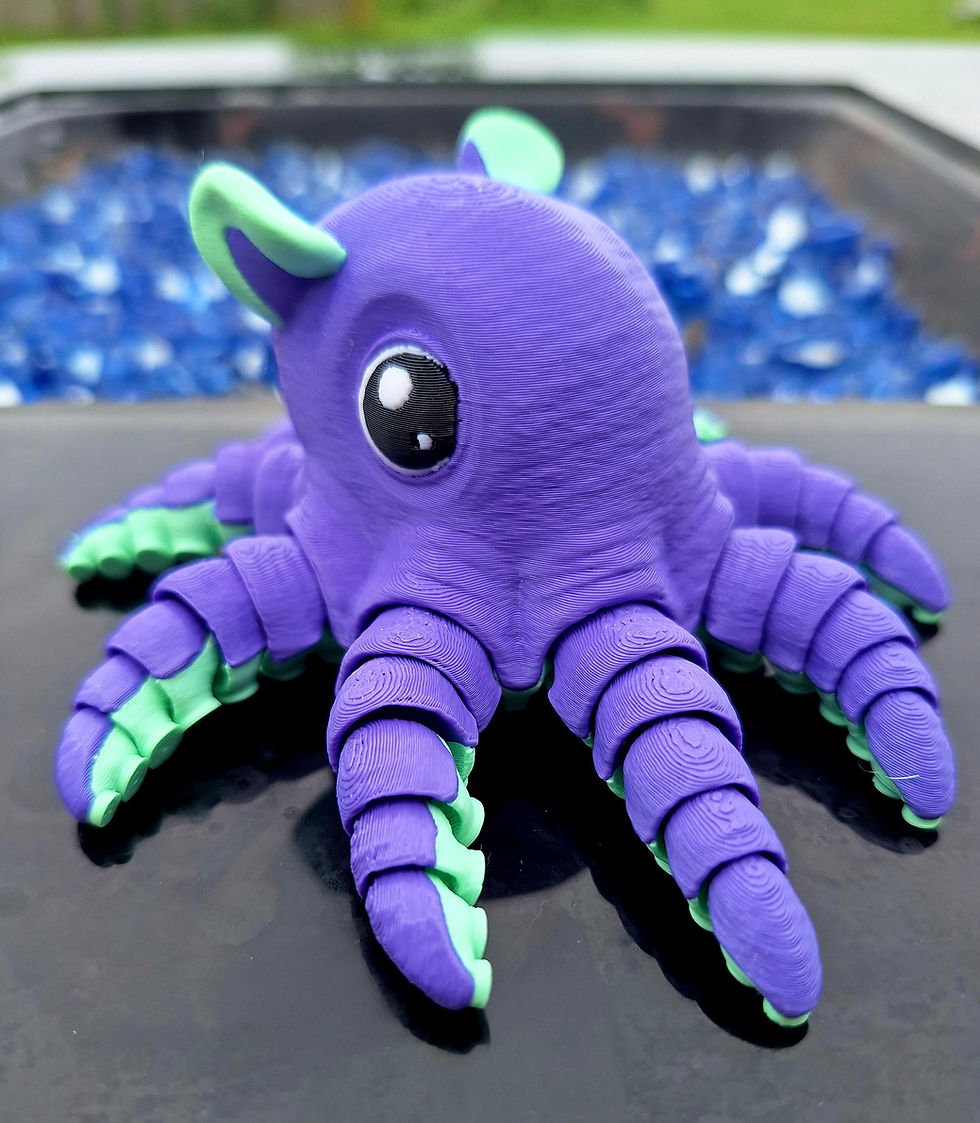
Fidget toys, soft socks, or favorite snacks
A playlist with songs that feel “safe”
A care kit with sensory-friendly tools
A hand-drawn coupon: “Good for one quiet movie night” or “Skip a chore day”
Love can live in the little things.
🌈 Final Thoughts
Love doesn’t always look like hugs or big words. Sometimes it’s in the silence, the space, the thoughtful pause.It’s in saying, “I see you.”It’s in asking, “What do you need?”It’s in accepting that someone’s brain and body may express (and receive) love differently—and honoring that on purpose.
So whether you're showing love to a neurodivergent child, partner, friend, or yourself—remember:Love can whisper. And it still counts.
—The WeBe Sensory Team 💛
✨ Want more sensory-friendly connection ideas?
Our WeBe Wonderbox™ includes calming tools, communication supports, and cozy items that help express love in gentle, regulated ways—perfect for every kind of nervous system.


Comments