
🔊 Noise-Canceling, Chewelry, and Other Unsung Heroes of Regulation
- WeBe Sensory

- Jun 30, 2025
- 3 min read

Small tools. Big impact. Everyday relief.
When people think about emotional regulation or sensory needs, they often imagine therapy sessions or behavior plans. But sometimes, the most powerful tools are the small, silent sidekicks we carry with us: the chew necklace that stops a meltdown. The noise-canceling headphones that save a day. The stim toy that gives a moment of peace in a chaotic world.
These tools might seem simple or even strange to others—but for many neurodivergent folks, they’re lifelines.
Let’s give a round of applause to the unsung heroes of regulation—and break down why they deserve a spotlight.
🎧 Noise-Canceling Headphones: The Volume Knob for the World
Imagine trying to think while every sound around you is turned up to max volume—clocks ticking, chairs scraping, people breathing, a phone buzzing three rooms away.
For individuals with sensory sensitivity—especially those with autism, ADHD, PTSD, or anxiety—this isn’t imagination. It’s daily life.
🔹 Why They Help:
Block or reduce overwhelming background noise
Support focus in busy environments (school, work, travel)
Reduce auditory fatigue and prevent sensory overload
Help with transitions and emotional regulation
Tip: Start with over-ear headphones for younger kids or those with tactile sensitivity. Older kids and adults might prefer discreet options like Loop earplugs or Bluetooth styles.
🧼 Chewelry: For Those Who Need to Chew to Think
Chewing isn’t just a “kid thing.” Many neurodivergent people find oral input calming—it can help with focus, emotional regulation, and sensory seeking.
Chewelry (chewable jewelry) is a safe, durable, and stylish way to meet this need.
🔹 Why It Helps:
Regulates oral sensory needs without damaging clothes, pens, or fingers
Helps with anxiety and transition stress
Encourages self-regulation without drawing attention
Comes in wearable options (necklaces, bracelets, zipper pulls)
Tip: Choose medical-grade silicone and match texture preference—some like soft and squishy, others firm and resistant. Always supervise younger users.
🔁 Stim Toys: Movement You Can Hold
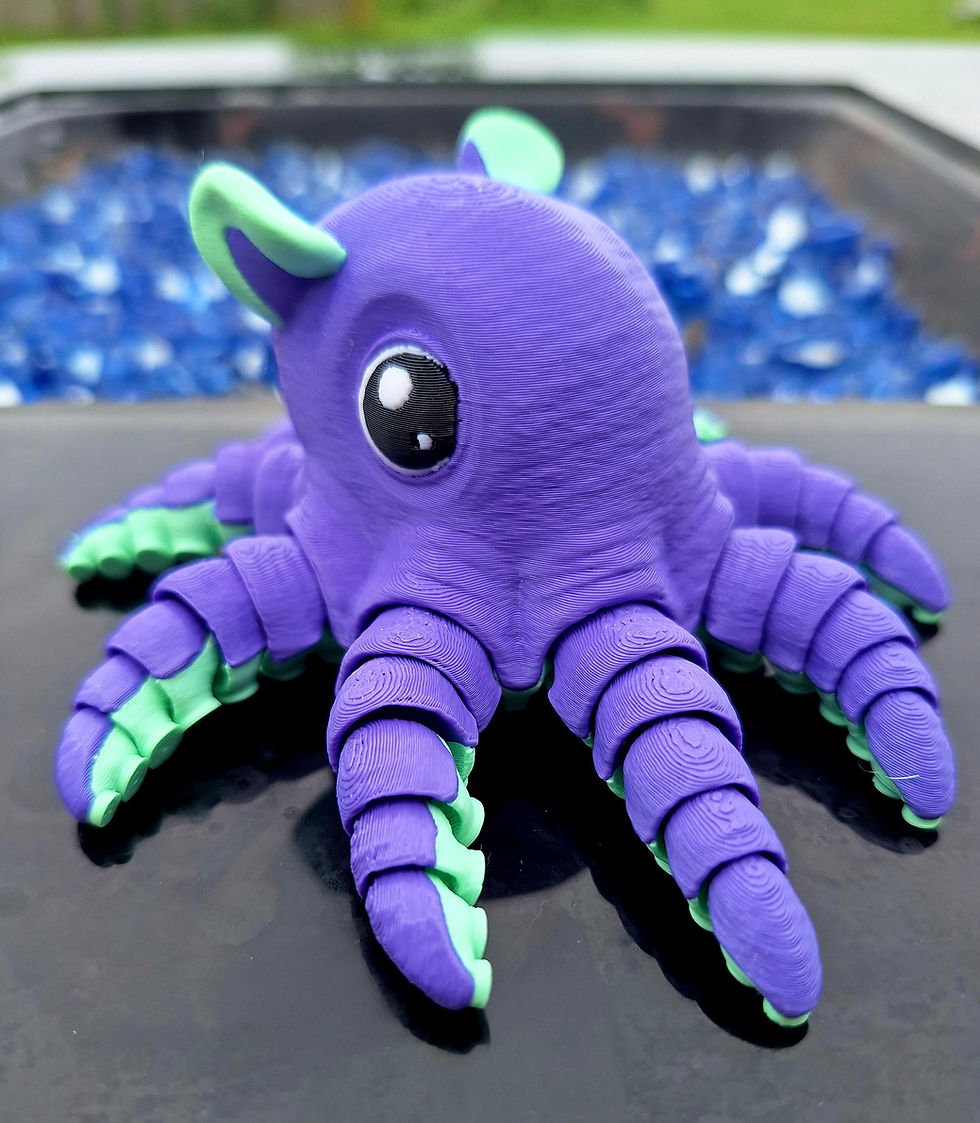
From fidget cubes to infinity spinners, stretchy noodles to textured putty—stim toys offer soothing, repetitive motion that helps many people focus, calm, and regulate.
They’re not toys in the traditional sense—they’re tools for brain-body connection.
🔹 Why They Help:
Offer proprioceptive (movement) or tactile input
Channel restlessness or stress in a safe way
Support attention and reduce anxiety
Prevent harmful stimming or shutdowns
Tip: Keep a few on hand in different textures and styles—everyone has their own sensory “flavor.”
🧊 Weighted Items: Deep Pressure, Deep Calm
Weighted lap pads, blankets, shoulder wraps, or stuffed animals provide deep pressure stimulation, which helps regulate the nervous system.
Think of it as a full-body hug when the world feels like too much.
🔹 Why They Help:
Ground the body during anxiety or sensory overload
Improve sleep, attention, and transitions
Calm fight-or-flight responses
Work for kids AND adults
Tip: Make sure the weight is about 10% of body weight for safety. Use under supervision with younger kids.
🌈 Other Unsung Heroes of Regulation:
Visual timers – help with transitions and reduce time anxiety
Compression clothing – supports body awareness and calm
Noise machines – replace jarring noise with soothing sound
Body socks – offer resistance and full-body sensory input
Mood cards/emotion wheels – support communication and regulation for nonverbal or overwhelmed users
💡 Regulation Is Personal—And Powerful
There’s no one-size-fits-all for sensory support. What calms one person may annoy another. What works at home may not work in school or public.
That’s why access to diverse, discreet, and user-chosen tools matters. These “small” items often make the biggest difference in helping someone:
Avoid meltdown
Focus on a task
Express their needs
Feel safe in their body
These tools aren't a crutch. They're empowerment.
🌟 Final Thoughts
When you see someone wearing chewelry, sitting with headphones, or twisting a stim ring—know that you’re witnessing self-advocacy in action.
These aren’t distractions. They’re strategies.They’re how many neurodivergent folks show up, stay present, and move through a noisy world with strength.
So let’s keep lifting up the little tools that hold big power.And let’s keep making space for every kind of regulation—every kind of brain.
—The WeBe Sensory Team 💛
✨ Want to build your own sensory toolkit?
Check out our WeBe Wonderbox™—a monthly sensory subscription filled with calming aids, fidget tools, chewelry, and noise solutions tailored by age and need. Comfort, delivered.


Comments